Embarking on the In Vitro Fertilization (IVF) journey opens up a world of possibilities. And within this realm, the option of blastocyst transfer takes center stage! However, it remains a lesser-known gem in India, especially in Northern regions like Sirsa, Mansa, Nohar, and Hanumangarh where countless women are turning to IVF for hope.
If terms like blastocyst transfer also have left you puzzled, you’re not alone! So what exactly is this procedure all about? What are its advantages? And most importantly, how to ensure IVF success using this method?
In this blog, Apex Hospital – best IVF centre in Sirsa, Haryana – will demystify everything about frozen blastocyst transfer. From meaning to exploring the timeline and advantages to success recommendations, we will cover all crucial aspects. We bet that your doubts will dissolve and decisions will become clear by the time you reach the end of this read!
What is Blastocyst Transfer?
Blastocyst transfer is a crucial step in the IVF process. It provides a pathway to pregnancy for many hopeful individuals. This procedure occurs around 5 days after fertilization. It allows embryos to develop into blastocysts. For those who don’t know, these are advanced-stage embryos with fluid-filled cavities and well-defined cell structures.
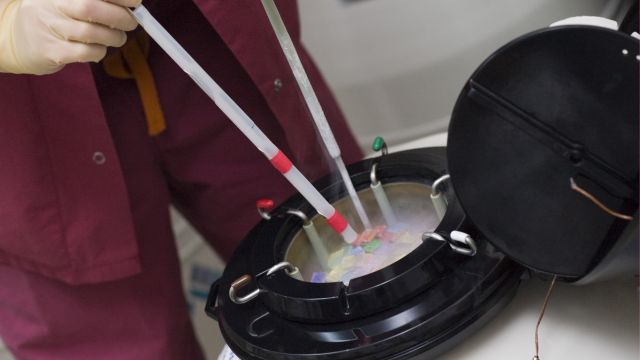
Unlike earlier-stage transfers, blastocyst transfer enhances the chances of successful implantation in the uterus. This method is gaining popularity at renowned fertility centers like Apex Hospital in Sirsa, Hanumangarh, and Mansa.
By allowing embryos to reach a more advanced developmental stage before implantation, blastocyst transfer optimizes the likelihood of a successful pregnancy. It offers new hope and possibilities to those on the journey to parenthood!
How Frozen Blastocyst Transfer is Different from Fresh Blastocyst Transfer?
Now the main question that arises is, “How does fresh blastocyst differ from the modern-day method i.e. frozen blastocyst transfer?” Let us tell you that these two are two distinct approaches in the realm of assisted reproductive technology. Each offers its own set of advantages and considerations.
As we told you earlier, fresh blastocyst transfer occurs when embryos reach the blastocyst stage (around day 5 of development) and are transferred into the uterus during the same cycle as the in vitro fertilization (IVF) procedure. This synchronous transfer is often considered a conventional method as it provides immediacy in the quest for pregnancy.
Talking about frozen blastocyst transfer, it involves the cryopreservation of blastocysts for later use. These frozen embryos can be stored for an extended period, allowing for flexibility in the timing of the transfer. Benefit? This delayed transfer not only helps in optimizing the timing with a woman’s natural cycle but also allows the uterus to recover from the stimulation used in IVF.
It also allows for addressing potential issues that may arise during the initial cycle. IVF experts at Sirsa have to say that this method offers the potential for multiple transfer attempts which, in turn, can increase the overall chances of a successful pregnancy. Interestingly, blastocyst can be preserved for years for a very nominal cost and the same can be used for the second pregnancy if required.
Which Blastocyst Transfer Process Should I Go With?
Choosing between fresh and frozen blastocyst transfer depends on several factors:
- Individual circumstances
- Medical considerations
- Preferences of couples undergoing IVF
While fresh transfer aligns with immediacy, frozen transfer provides flexibility and potential benefits for certain cases. Clinics like Apex Hospital in Sirsa and Hanumangarh are known for excellence in reproductive healthcare. Our team of gynaecologists will guide you through these choices, ensuring personalised and informed decisions on the path to achieving parenthood.
Check out reviews of best IVF surgery centre in Sirsa!
What’s the Timeline for Frozen Blastocyst Transfer?
Now that you understand the meaning and benefits of going with this procedure, it’s time to understand the timeline for frozen blastocyst transfer. It involves several key stages that are meticulously coordinated to improve the chances of a successful pregnancy:
- Embryo Freezing: After the in vitro fertilization (IVF) or ICSI process when embryos reach the blastocyst stage, they are cryopreserved. To do this, doctors carefully cool the embryos to sub-zero temperatures to halt their development while preserving their viability.
- Storage Period: The frozen blastocysts are then stored for an extended period. It could range from months to years until the individual or couple is ready for the transfer. This flexibility allows for optimal timing based on various factors such as menstrual cycle and personal circumstances.
- Thawing Process: Once the decision is made to proceed with the transfer, the frozen blastocysts are thawed under controlled conditions. Using advanced techniques, gyne and orb experts ensure a high survival rate during this thawing process.
- Preparing the Uterus: Before the transfer, the woman’s uterus is also prepared to receive the embryo. This may involve using hormonal medications to create an ideal environment for implantation.
- Embryo Transfer: Here comes the most important part of the frozen blastocyst transfer timeline! Once the uterus is prepared, the thawed blastocyst is transferred into the uterus. This is a relatively simple and painless procedure that does not require anaesthesia.
- Monitoring and Support: Following the transfer, individuals are closely monitored for signs of pregnancy. Hormonal support may be provided by gynaecologists to boost the chances of successful implantation.
At Apex Hospital, the packages for fresh and frozen embryo transfer are the same. Therefore, we follow a personalised approach and keep personal preferences in mind.
Will There Be Cramps After Frozen Blastocyst Transfer?
Yes, experiencing cramps after a frozen blastocyst transfer is a common occurrence. It is typically considered normal. These mild cramps are often a result of the catheter used during the transfer or the uterus responding to the introduction of the thawed blastocyst.
However, it is important to keep in mind that each person’s experience may vary. Some may not feel any cramping at all. While mild discomfort is expected, severe or persistent pain should be promptly communicated to the healthcare team.
Adequate rest and hydration are recommended post-transfer. If you have any concerns or questions about cramping, it should be discussed with the medical professionals overseeing IVF treatment at clinics like Apex Hospital for reassurance and guidance!
Learn everything about our doctors at Apex Hospital.
What are Recommendations for Having a Safe Blastocyst Transfer?
Ensuring a safe and successful frozen blastocyst transfer involves a combination of careful preparation and adherence to key recommendations:
- Follow Medical Guidance: Adhere closely to the advice provided by the medical team at your fertility clinic. This includes the instructions regarding medications, timing of the transfer, and any pre-transfer preparations.
- Maintain a Healthy Lifestyle: It is important to prioritize a well-balanced diet, regular exercise, and adequate sleep. Why, you ask? Because a healthy lifestyle can contribute positively to the success of the transfer and your overall well-being!
- Stay Hydrated: Proper hydration is crucial for overall health and may positively impact the receptivity of the uterus. Ensure an adequate intake of water leading up to and following the transfer.
- Avoid Stress: Minimize stress levels as much as possible. Consider incorporating relaxation techniques such as deep breathing, meditation, or yoga to promote a calm and positive mindset.
- Limit Physical Strain: While moderate physical activity is generally encouraged, avoid strenuous exercises or heavy lifting in the days immediately following the transfer. We recommend complete rest after blast transfer. If you must move, opt for gentle activities that promote relaxation.
- Attend Follow-up Appointments: Attend all scheduled follow-up appointments with the fertility clinic. These appointments will allow the medical team to monitor progress, address any concerns, and provide you necessary support.
- Maintain Medication Schedule: If prescribed, make certain to strictly follow the medication schedule provided by your IVF center. This may include hormonal medications to support the uterine lining and implantation.
- Communicate Concerns: Remember, open communication with the medical team is crucial! Any unexpected symptoms or concerns should be promptly reported to ensure timely intervention and support.

Frozen Blastocyst Transfer: Final Words
There you go!
We have answered all important questions regarding frozen blastocyst transfer. As you saw, this option offers flexibility and hope on the journey to parenthood. However, keep in mind that every individual’s experience is unique and consulting with experienced professionals is key!
At Apex Hospital in Mansa, our commitment extends beyond medical expertise to compassionate care, guiding you at every step. If you find yourself considering frozen blastocyst transfer, take comfort in the knowledge that you are not alone. We are there to guide and help you. Contact us at 82229-66666, 91680-39000, or 01666-226888 in case of queries.
Wishing you strength, resilience, and the joy that comes with new beginnings!
Also, check out our recent blogs:
Difference between IUI and IVF
Everything about failed early pregnancy